
Landscaping is often seen as a way to improve the visual appeal of a home. Many homeowners focus on design, color, and outdoor aesthetics without considering the long-term maintenance impact. However, landscaping choices can significantly influence how a property ages and how much effort is required to maintain it. Plants, soil layout, drainage, and structural features all interact with the home environment over time. Understanding how landscaping choices affect home maintenance over time helps homeowners make better decisions that support both beauty and durability.
Influencing Water Drainage and Moisture Control
One of the most important functions of landscaping is managing water flow around a property. Poorly planned landscaping can lead to water pooling near the foundation. This increases the risk of dampness and structural weakening over time. Certain plants may also retain excess moisture in the soil. When water does not drain properly, it can seep into basements or lower walls. This creates long-term maintenance issues that are often expensive to fix. Proper grading and plant selection help guide water away from the home effectively. Good drainage design is essential for protecting structural integrity.
Affecting Foundation Stability Over Time
Tree and plant placement can have a direct impact on a home’s foundation. Large trees with aggressive root systems can grow toward underground structures. These roots may push against pipes, driveways, or foundations. Over time, this pressure can cause cracks or uneven settling. Even smaller plants can influence soil conditions around the foundation. Soil expansion and contraction due to moisture changes can create movement. These subtle shifts often go unnoticed until visible damage appears. Careful planning of plant placement helps reduce long-term structural risks.
Increasing or Reducing Pest Activity
Landscaping choices can also influence pest activity around a home. Certain plants and garden designs can attract insects or rodents. Dense shrubs placed too close to the house may provide shelter for pests. Standing water in garden areas can attract mosquitoes. Fallen leaves and organic debris may become nesting material for insects. On the other hand, well-maintained landscaping can reduce pest risks. Proper spacing and regular cleaning help limit unwanted activity. Smart plant selection plays an important role in maintaining a pest-free environment.
Impacting Exterior Wall and Surface Maintenance
Plants growing too close to exterior walls can affect the condition of a home’s surface. Vines, bushes, and trees may rub against walls or trap moisture. This can lead to paint damage, discoloration, or mold growth. Over time, constant contact may weaken exterior finishes. Moist environments near walls can also encourage algae or mildew. These issues increase the need for regular cleaning and repainting. Maintaining proper distance between plants and walls helps preserve exterior surfaces. Simple landscaping decisions can reduce long-term maintenance work significantly.
Affecting Lawn and Soil Maintenance Requirements
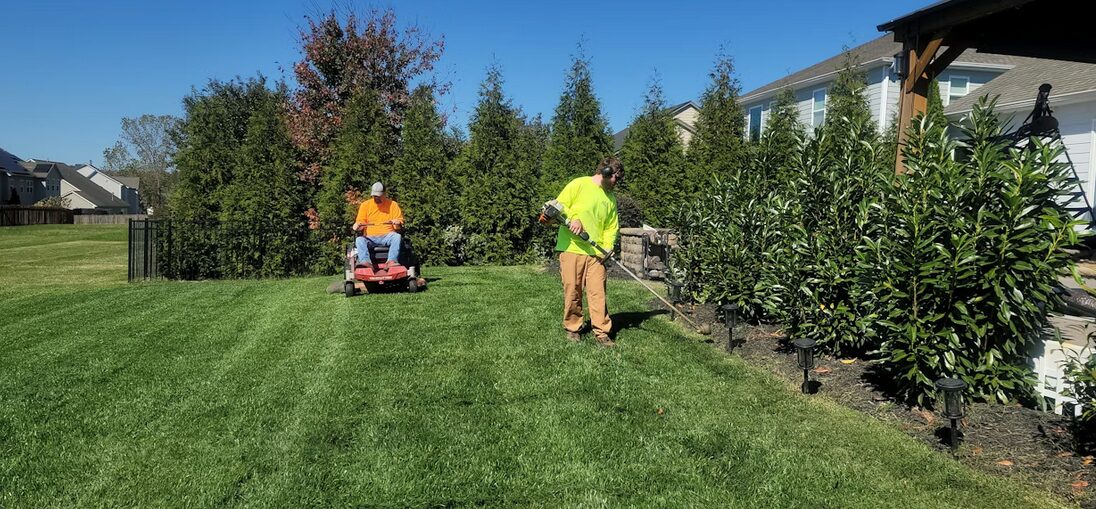
Different landscaping designs require different levels of maintenance. Lawns, flower beds, and gravel areas all come with varying upkeep needs. High-maintenance plants require regular trimming, watering, and fertilizing. Poor soil selection can lead to patchy or unhealthy grass growth. Some landscaping designs may require frequent replanting or soil treatment. Over time, this increases both effort and cost for homeowners. Low-maintenance landscaping options can reduce ongoing care requirements. Choosing the right balance of plants helps create a sustainable outdoor environment.
Supporting Long-Term Property Efficiency and Value
Well-planned landscaping contributes to overall property efficiency. It helps regulate temperature, manage water, and protect structural elements. Trees placed strategically can provide natural shade, reducing cooling costs. Ground cover plants help prevent soil erosion. Efficient landscaping reduces long-term repair and maintenance needs. It also improves the overall value and appeal of the property. Homeowners benefit from both functional and aesthetic improvements. Thoughtful design ensures the landscape works with the home, not against it.
Landscaping choices play a major role in long-term home maintenance. They influence water drainage, foundation stability, pest activity, exterior condition, soil care, and overall property efficiency. While landscaping is often viewed as decorative, its impact extends far beyond appearance. Poor decisions can lead to costly maintenance issues, while smart planning can protect and enhance a home over time. By understanding these relationships, homeowners can make informed choices that support both beauty and durability in their outdoor spaces.